All Posts By

[email protected]

Understanding Testicular Cancer

Understanding Testicular Cancer: Symptoms, Risk Factors, and Early Detection

Testicular cancer is a relatively rare but important health concern for men. Despite its lower prevalence compared to other cancers, understanding its symptoms, risk factors, and the importance of early detection is crucial for improving outcomes.

Symptoms: The most common symptom of testicular cancer is a lump or swelling in one of the testicles. Other potential symptoms include pain or discomfort in the testicle or scrotum, changes in testicle size or shape, a feeling of heaviness in the scrotum, fluid accumulation in the scrotum, and back pain. It’s essential to note that not all men with testicular cancer will experience symptoms, especially in the early stages.

Risk Factors: Several factors may increase the risk of developing testicular cancer, including age (most common in younger men), family or personal history of testicular cancer, undescended testicles (cryptorchidism), HIV infection, and ethnicity (more common in white men). Understanding these risk factors can help individuals assess their susceptibility and take appropriate precautions.

Early Detection: Regular testicular self-exams are crucial for early detection of testicular cancer. By familiarizing themselves with the normal size, shape, and texture of their testicles, men can promptly identify any abnormalities and seek medical attention. Additionally, routine medical check-ups enable healthcare providers to conduct thorough physical examinations and screen for any signs of testicular cancer.

Testicular cancer may not be as widely discussed as other cancers, but awareness and early detection are paramount for successful treatment and improved outcomes.

Alcohol and Cancer

Alcohol, often celebrated in various cultures, is also associated with increased risks of several cancers. As we observe Alcohol Awareness Month, it’s crucial to shed light on the seven types of cancer linked to alcohol consumption, emphasizing the importance of moderation and informed decision-making:

Breast Cancer: Even moderate alcohol intake has been consistently linked to a higher risk of breast cancer among women. Understanding this connection is essential for women of all ages and backgrounds.
Liver Cancer: Chronic alcohol abuse is a well-established risk factor for liver cancer. Over time, prolonged alcohol consumption can lead to liver cirrhosis, which significantly increases the likelihood of developing liver cancer.
Colorectal Cancer: Studies have shown a significant association between alcohol consumption and an increased risk of colorectal cancer. Heavy drinking amplifies this risk, underscoring the importance of moderating alcohol intake to mitigate potential health hazards.
Head and Neck Cancers: Alcohol consumption, particularly when combined with tobacco use, substantially raises the risk of cancers affecting the head and neck region, including the mouth, throat, and esophagus. This synergistic effect highlights the necessity of addressing both alcohol and tobacco consumption for overall health.
Esophageal Cancer: Alcohol consumption is a major risk factor for esophageal cancer, particularly squamous cell carcinoma. The repeated exposure of the esophageal lining to alcohol and its metabolites contributes to the development of cancerous lesions over time, emphasizing the importance of moderation and awareness of risks.
Stomach Cancer: Although the exact mechanisms are still under investigation, studies suggest a potential link between alcohol consumption and stomach cancer. Heavy alcohol intake may heighten the risk of developing this malignancy, adding to the array of health concerns associated with excessive drinking.
Pancreatic Cancer: Alcohol consumption has long been recognized as a risk factor for pancreatic cancer. The pancreas is highly sensitive to the carcinogens produced during alcohol metabolism, rendering individuals who consume alcohol regularly more susceptible to developing this aggressive form of cancer.

During Alcohol Awareness Month, it’s vital to recognize how alcohol consumption impacts cancer risk. By spotlighting these seven cancers associated with alcohol and advocating for moderation, we empower individuals to make informed choices, leading to healthier lives and communities.

Decoding Urinary Symptoms

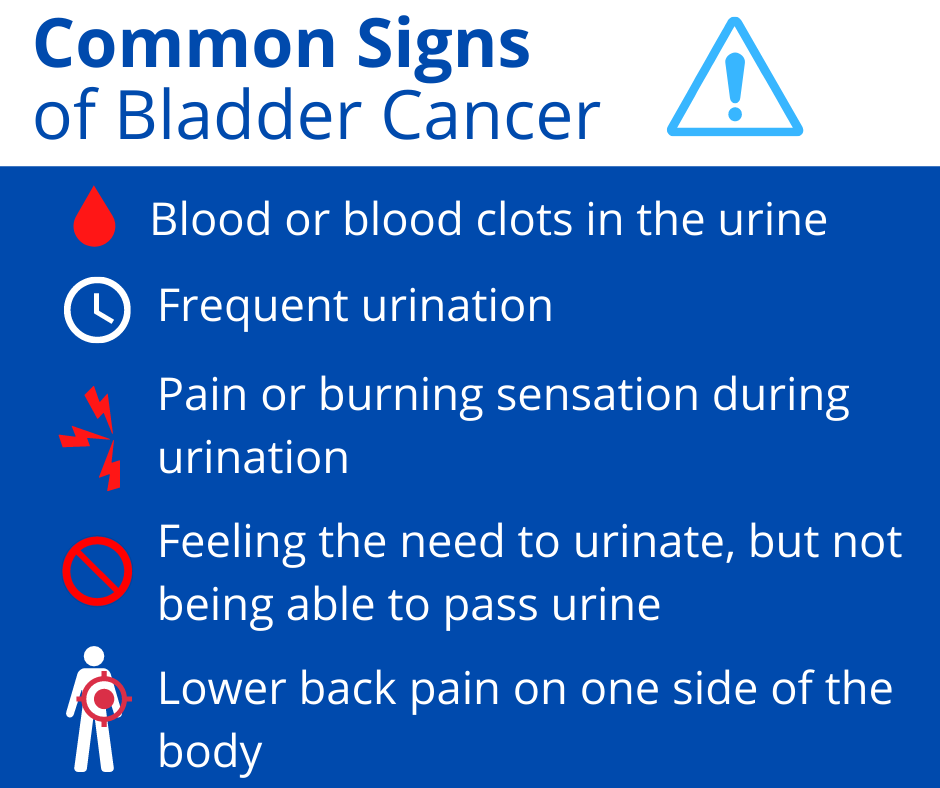
Common urinary symptoms include urgency, frequency, incontinence, and discomfort during urination. These signs may indicate underlying issues such as urinary tract infections, f, or prostate concerns, necessitating a thorough evaluation.

Our expert urologists emphasize the significance of open communication in the diagnostic process. Understanding the unique aspects of each patient’s experience allows us to tailor comprehensive treatment plans that may involve lifestyle adjustments, medications, or advanced interventions.

Our mission is to empower individuals to take charge of their urinary health. By providing information, support, and cutting-edge solutions, Fairbanks Urology strives to guide patients towards a renewed sense of well-being.

If you’re experiencing urinary symptoms, no matter how mild or persistent, contact us. Together, we can decipher the intricacies of your symptoms and work towards a personalized approach for a healthier, more comfortable life.

Shedding Light on Prostate Cancer

We recognize the significance of prostate health and the importance of raising awareness about prostate cancer—a prevalent concern among men. Prostate cancer develops in the prostate gland, a small organ crucial for reproductive health.

While the exact causes of prostate cancer remain unclear, factors such as age, family history, and ethnicity can contribute to an increased risk. Regular check-ups and screenings are vital for early detection, as prostate cancer often presents with minimal symptoms in its early stages.

Our urology specialists emphasize the importance of informed decision-making when it comes to prostate health. Screening methods, including the prostate-specific antigen (PSA) test and digital rectal exams, assist in identifying potential concerns.

If diagnosed, various treatment options are available, ranging from active surveillance for slow-growing tumors to surgery, radiation therapy, and advanced medical therapies. We are committed to providing personalized care, guiding individuals through every step of their prostate cancer journey.

By fostering awareness, promoting regular screenings, and offering comprehensive support, we aim to empower men in their proactive pursuit of prostate health. Trust us to be your partners in navigating the complexities of prostate cancer and ensuring a path to enduring urologic well-being.

Colorectal Cancer Symptoms: Know the Signs

Colorectal cancer is a prevalent and potentially life-threatening disease, but it’s often treatable when detected early. Recognizing the symptoms of colorectal cancer is crucial for prompt diagnosis and intervention. Below are signs and symptoms of colorectal cancer to be aware of, emphasizing the importance of paying attention to your body and seeking medical attention if any concerning symptoms arise.

Common Symptoms of Colorectal Cancer:

Changes in Bowel Habits: Persistent changes in bowel habits, such as diarrhea, constipation, or changes in stool consistency, may indicate colorectal cancer. Pay attention to any unusual or unexplained changes in your bathroom routine.

Rectal Bleeding: Blood in the stool or rectal bleeding is a common symptom of colorectal cancer. While rectal bleeding may be caused by other conditions, such as hemorrhoids or anal fissures, it’s essential to consult a healthcare professional to rule out colorectal cancer.

Abdominal Discomfort: Persistent abdominal pain, cramping, or discomfort, particularly if it’s accompanied by other symptoms, should be evaluated by a doctor. Colorectal cancer can cause abdominal discomfort as tumors grow and press on surrounding tissues.

Unexplained Weight Loss: Unintentional weight loss, especially if it occurs rapidly and without changes in diet or exercise, can be a red flag for colorectal cancer. Cancer-related weight loss may be due to a combination of factors, including loss of appetite, changes in metabolism, and cancer-related fatigue.

Fatigue: Fatigue or weakness that doesn’t improve with rest is another potential symptom of colorectal cancer. Cancer-related fatigue can be debilitating and may interfere with daily activities, so it’s essential to address it promptly.

When to Seek Medical Attention:

If you experience any of the symptoms mentioned above, it’s crucial to consult a healthcare professional promptly. While these symptoms may not always indicate colorectal cancer, they should not be ignored, as early detection can significantly improve treatment outcomes. Your doctor can perform a thorough evaluation, including physical examination, medical history review, and diagnostic tests, to determine the underlying cause of your symptoms.

Don’t hesitate to consult a healthcare professional if you experience any concerning symptoms. Remember, early detection saves lives.

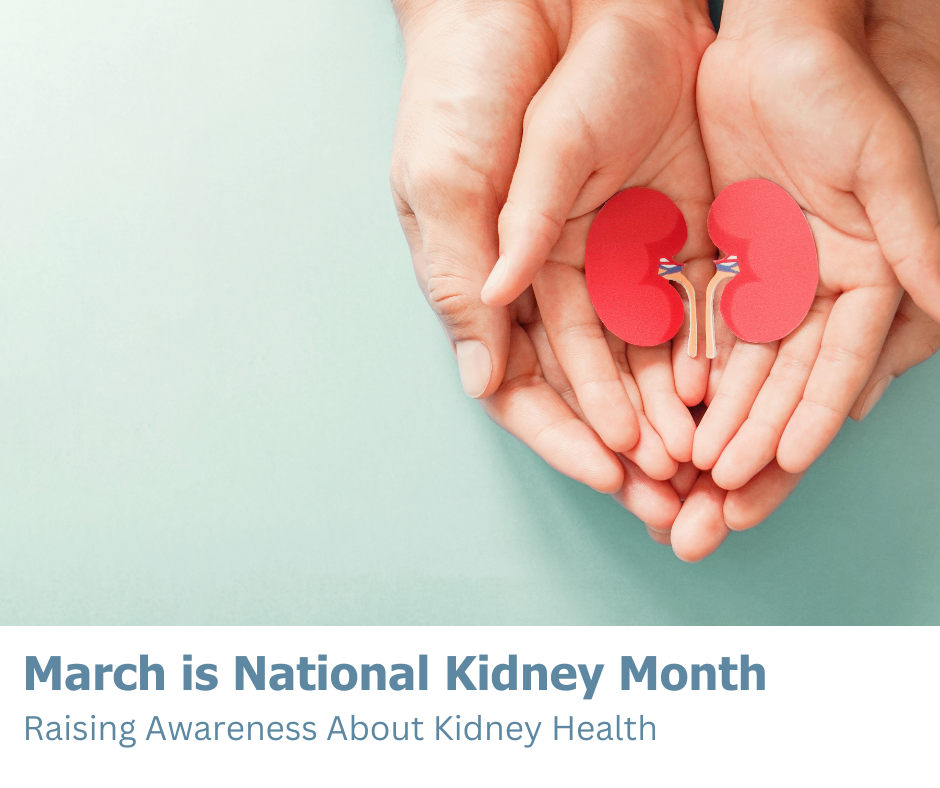
The Importance of Kidney Health: Observing Kidney Health Awareness Month

Most people don’t know how important their kidneys are. The kidneys are vital organs that play a crucial role in maintaining overall health, yet they often go unnoticed until a problem arises. This month, let’s shine a spotlight on kidney health and empower individuals to take proactive steps towards caring for these essential organs.

Understanding Kidney Health: The kidneys are bean-shaped organs located on either side of the spine, just below the rib cage. They are responsible for filtering waste products, excess fluids, and toxins from the blood, which are then excreted through urine. Additionally, the kidneys help regulate blood pressure, produce red blood cells, and maintain electrolyte balance within the body. Given their many functions, maintaining optimal kidney health is crucial for overall wellbeing.

Common Kidney Conditions: Several factors can contribute to kidney dysfunction, including hypertension, diabetes, obesity, and certain genetic predispositions. Some common kidney conditions include:

1. Chronic Kidney Disease (CKD): CKD is a progressive condition characterized by the gradual loss of kidney function over time. It often develops silently and can lead to serious complications if left untreated.
2. Kidney Stones: These are hard deposits that form in the kidneys and can cause severe pain when they pass through the urinary tract. Dehydration, dietary factors, and certain medical conditions can increase the risk of kidney stone formation.
3. Urinary Tract Infections (UTIs): UTIs occur when bacteria enter the urinary tract and multiply, leading to inflammation and infection. While UTIs can affect any part of the urinary system, they commonly involve the kidneys (pyelonephritis) and require prompt treatment to prevent complications.

Our kidneys work tirelessly to keep us healthy. By adopting healthy habits and staying vigilant about our kidney health, we can reduce the risk of kidney disease and enjoy a higher quality of life.

Colorectal Cancer: Causes & Risk Factors

Colorectal cancer, is influenced by genetic, lifestyle, and environmental factors. Understanding its causes and risk factors is key for prevention and early detection.

Causes:

Genetic predisposition: Certain genetic mutations like FAP or Lynch syndrome increase susceptibility.

Inflammation: Chronic conditions like IBD raise the risk of colorectal disease.

Diet and lifestyle: High red meat consumption, low fiber intake, smoking, and obesity are associated with higher risks.

Risk Factors:

Age: Risk increases after 50, making regular screenings vital.

Family history: Those with relatives with colorectal disease are at higher risk.

Personal history: Previous diagnoses of colorectal cancer or polyps increase susceptibility.

Lifestyle: Unhealthy habits like poor diet and lack of exercise elevate risk.

Medical conditions: Diabetes, obesity, and chronic inflammatory conditions increase susceptibility.

Promoting Colorectal Health:

Adopt a healthy lifestyle: Balanced diet, exercise, no smoking, limited alcohol.

Get screened: Regular screenings, starting at 45 or earlier for high-risk individuals, aid early detection.

Know family history: Discuss family history with a healthcare provider for tailored advice.

Be vigilant: Pay attention to symptoms like changes in bowel habits and seek medical attention promptly.

By understanding causes, risk factors, and promoting healthy habits, individuals can lower their risk of colorectal disease and prioritize their well-being. Let’s spread awareness and encourage proactive health measures!

What is Colorectal Cancer?

Colorectal cancer, often referred to as bowel cancer, colon cancer, or rectal cancer, is a type of cancer that affects the colon or rectum. It’s one of the most common forms of cancer worldwide, but with early detection and appropriate treatment, it is highly treatable.

This type of cancer typically develops from polyps, abnormal growths in the lining of the colon or rectum. While not all polyps become cancerous, some have the potential to transform into cancer over time. The causes of colorectal cancer are multifactorial and may involve a combination of genetic, environmental, and lifestyle factors.

Risk factors for colorectal cancer include age, family history of colorectal cancer or polyps, personal history of inflammatory bowel disease, certain genetic syndromes, diets high in red and processed meats, sedentary lifestyles, obesity, smoking, and heavy alcohol use. Recognizing these risk factors is crucial for understanding one’s susceptibility to the disease.

Common symptoms of colorectal cancer may include a change in bowel habits, rectal bleeding or blood in the stool, persistent abdominal discomfort, weakness or fatigue, and unexplained weight loss. However, it’s important to note that early-stage colorectal cancer often shows no symptoms, underscoring the importance of regular screening for early detection.

By increasing awareness and understanding of this disease, individuals can take proactive steps to limit their risk and seek timely medical attention.

The Power of Healthy Lifestyle Practices for Cancer Prevention

Healthy lifestyle practices can have a significant impact in reducing the risk of cancer. Incorporating healthy habits like focused nutrition, physical activity, staying away from tobacco, and sun safety, you can prevent various types of cancer. 


Nourishing the Body for Wellness 

Nutrition plays a fundamental role in cancer prevention. By incorporating balanced and nutritious diet rich in fruits, vegetables, whole grains, and lean proteins, individuals can fortify their bodies with essential nutrients and antioxidants that support overall health and reduce the risk of certain cancers. 


The Power of Physical Activity 

Regular physical activity contributes to overall fitness and cancer prevention. Engaging in moderate to vigorous physical activities can help individuals maintain a healthy weight, reduce the risk of certain cancers, and promote overall well-being. 


Breaking Free from Tobacco 

Staying away from tobacco is critical in cancer prevention. By quitting smoking and avoiding exposure to secondhand smoke, individuals can significantly lower their risk of developing lung cancer and other tobacco-related cancers. 


Embracing Sun Safety Practices 

Practicing sun safety, such as using sunscreen, wearing protective clothing, and seeking shade, can help reduce the risk of skin cancer caused by harmful ultraviolet (UV) radiation. 


Taking Charge of Our Health 

Together, let’s prioritize our health and well-being. Our providers are here to help! Contact us today to learn more about our services.  

Early Detection and Screening for Cancer

As we commemorate National Cancer Prevention Month, it is crucial to recognize the importance of early detection and screening in the ongoing battle against cancer. Regular screenings for different cancer types can greatly impact timely intervention and treatment outcomes. 


Importance of Regular Screenings 

Regular screenings for various types of cancer, such as breast, cervical, colorectal, prostate, and lung cancer, play a fundamental role in detecting cancer at its earliest stages. These screenings allow healthcare professionals to identify abnormalities or cancerous growths before symptoms begin, increasing the chances of successful treatment and improved prognosis. 


Available Screening Methods 

From mammograms and Pap tests to colonoscopies and PSA tests, there are diverse screening methods tailored to detect different types of cancer. Understanding these screening options and their recommended frequencies allows patients to be involved with their preventive healthcare and advocate for their well-being. 


Timely Intervention 

Timely detection through screenings can significantly impact treatment outcomes, potentially leading to less aggressive interventions and higher survival rates. Early-stage cancer diagnosis often offers a wider array of treatment options, making proactive screening a vital component of comprehensive cancer prevention strategies. 


Empowering Individuals 

By emphasizing the critical role of early detection and screening, we aim to empower individuals with the knowledge and resources to minimize their cancer risk. Through awareness, education, and access to screening programs, we can collectively work towards reducing the burden of cancer. 


Stand United for Cancer Prevention 

By advocating for regular screenings, staying informed about available screening methods, and encouraging proactive healthcare practices, we can minimize the impact of cancer on individuals and communities. 


Let’s continue to raise awareness, prioritize early detection, and practice proactive health initiatives. Together, we can make a difference in the fight against cancer.