
Category

Uncategorized

Bladder Health – Tips for a Healthier Bladder

The bladder is a hollow, muscular organ that stores urine from the kidneys until it’s ready to be excreted. A healthy bladder can hold around 16-24 ounces of urine for about 2-5 hours. Bladder health is vital for overall health, and poor bladder function can lead to significant quality-of-life issues, including frequent trips to the bathroom, discomfort, and even chronic pain.

Common Bladder Health Issues

Several conditions can affect bladder health, including:

  1. Urinary Tract Infections (UTIs): UTIs occur when bacteria enter the urinary tract, causing symptoms like burning during urination, frequent urges to urinate, and lower abdominal pain. UTIs are especially common in women and can often recur if not managed properly.
  2. Overactive Bladder (OAB): OAB is characterized by a sudden urge to urinate that’s difficult to control. It may cause frequent trips to the bathroom and, in some cases, lead to urinary incontinence.
  3. Bladder Stones: These are hard masses of minerals that form in the bladder when urine becomes concentrated, allowing the minerals to crystallize. Bladder stones can cause pain, difficulty urinating, and may lead to infections.
  4. Interstitial Cystitis (IC): Also known as painful bladder syndrome, IC is a chronic condition causing bladder pressure, pain, and sometimes pelvic pain, ranging from mild discomfort to severe pain.
  5. Bladder Cancer: Though less common, bladder cancer is a serious condition that primarily affects older adults. Early detection is essential for effective treatment.

Risk Factors for Bladder Issues

While anyone can experience bladder health issues, certain factors increase the risk, including:

  • Age: Bladder issues become more common as people get older.
  • Gender: Women are at higher risk for UTIs, while men are more prone to bladder stones.
  • Lifestyle: Smoking, poor hydration, and a high-sugar diet can all impact bladder health.
  • Genetics: A family history of bladder problems can increase your risk.

Tips for Maintaining Bladder Health

Proactively caring for your bladder can reduce the risk of developing problems and improve overall quality of life. Here are some tips to support bladder health:

  1. Stay Hydrated: Drinking enough water helps dilute urine, reducing the risk of UTIs and bladder stones. Aim for 6-8 cups of water daily, but listen to your body’s needs.
  2. Limit Bladder Irritants: Certain foods and drinks, like caffeine, alcohol, spicy foods, and acidic fruits, can irritate the bladder. If you have sensitive bladder issues, consider reducing these in your diet.
  3. Practice Good Bathroom Habits: Don’t hold your urine for long periods, as this can weaken bladder muscles and increase the risk of infections. Try to go to the bathroom every 3-4 hours.
  4. Avoid Smoking: Smoking is a major risk factor for bladder cancer and can worsen other bladder-related issues. Quitting smoking can reduce your risk and improve overall health.
  5. Exercise Regularly: Physical activity promotes good circulation and helps maintain a healthy weight, both of which are important for bladder health.
  6. Strengthen Pelvic Floor Muscles: Exercises like Kegels can strengthen the muscles that support the bladder, helping prevent leaks and improve control. Kegels are especially beneficial for those with overactive bladder symptoms.
  7. Wear Breathable Clothing: Choose cotton underwear and loose-fitting clothing to prevent moisture buildup, which can increase the risk of UTIs.
  8. Prioritize Bathroom Hygiene: After using the bathroom, wipe from front to back (for women) to reduce the risk of bacteria entering the urinary tract.

When to See a Doctor

Bladder health issues are common, but certain symptoms shouldn’t be ignored. Schedule a visit with a healthcare provider if you experience:

  • Persistent pain or burning during urination
  • Frequent or urgent need to urinate without obvious cause
  • Blood in urine
  • Difficulty or pain when urinating
  • Any noticeable change in bladder habits or control

Prostate Health – What Every Man Should Know


November is Prostate Health Month, a time to bring attention to the importance of prostate health and awareness of prostate cancer—the second most common cancer among men. Understanding prostate health and regular screenings can empower men to take proactive steps in maintaining their overall well-being.

What is the Prostate?

The prostate is a small, walnut-sized gland located just below the bladder and in front of the rectum. Its primary function is to produce seminal fluid, which nourishes and transports sperm. As men age, the prostate naturally enlarges, which can lead to urinary issues. Keeping the prostate healthy is essential, especially as it impacts various bodily functions and has potential health risks.

Common Prostate Health Issues

There are several common issues that can affect prostate health, including:

  1. Benign Prostatic Hyperplasia (BPH): This is a non-cancerous enlargement of the prostate, common as men age. BPH can cause urinary symptoms such as frequent urination, difficulty starting or stopping urination, and a weak urine stream.
  2. Prostatitis: Inflammation or infection of the prostate, which can be acute (sudden) or chronic. Symptoms often include pain in the pelvic area, difficulty urinating, and sometimes flu-like symptoms.
  3. Prostate Cancer: Prostate cancer occurs when abnormal cells in the prostate grow uncontrollably. It’s one of the most common cancers among men, and risk increases with age, family history, and certain genetic factors.

Understanding Prostate Cancer

Prostate cancer is typically slow-growing, which means many cases can be managed effectively if detected early. In some cases, it may not present symptoms until it has advanced, making early detection through screenings essential.

Risk Factors for Prostate Cancer:

  • Age: Risk increases significantly after age 50.
  • Family History: Men with a family history of prostate cancer are more likely to develop it.
  • Race: African American men have a higher risk of prostate cancer and should consider starting screenings earlier.
  • Diet and Lifestyle: Diets high in red meat, processed foods, and dairy products may increase risk.

Screening and Detection

Prostate cancer screenings help catch cancer early, when treatment is most effective. Common screening tests include:

  • PSA (Prostate-Specific Antigen) Test: A blood test that measures the level of PSA, a protein produced by the prostate. Elevated PSA levels may indicate prostate cancer or other prostate conditions.
  • Digital Rectal Exam (DRE): A physical exam where a healthcare provider examines the prostate for abnormalities.

While screening guidelines can vary, many healthcare professionals recommend that men begin regular screenings at age 50. Men at higher risk, such as African American men or those with a family history, may benefit from starting screenings earlier—typically around age 40 or 45.

Tips for Maintaining Prostate Health

Adopting a healthy lifestyle can play a significant role in reducing prostate health issues. Here are some tips to consider:

  1. Eat a Balanced Diet: A diet rich in fruits, vegetables, whole grains, and lean proteins is beneficial. Foods rich in antioxidants, such as tomatoes, berries, and leafy greens, may support prostate health. Limiting red meat, dairy, and processed foods can also help reduce risk.
  2. Exercise Regularly: Physical activity has been shown to improve prostate health and reduce the risk of BPH and other conditions. Aim for at least 30 minutes of moderate exercise most days of the week.
  3. Stay Hydrated: Drinking plenty of water helps maintain a healthy urinary system.
  4. Limit Alcohol and Avoid Smoking: Alcohol and smoking can negatively affect prostate health. Limiting these habits can have positive health benefits overall.
  5. Regular Check-Ups: Regular health screenings and check-ups allow for early detection of prostate issues, ensuring timely and effective management.

When to See a Doctor

If you experience any unusual symptoms, such as difficulty urinating, blood in urine or semen, pain in the pelvic area, or erectile dysfunction, consult a healthcare provider promptly. While these symptoms can result from several causes, it’s always better to seek professional guidance.

Conclusion

Prostate health is essential for men of all ages, but particularly as they get older. By understanding prostate health, recognizing risk factors, and prioritizing regular screenings, men can take proactive steps toward preventing or managing potential health issues. This November, let’s spread awareness about prostate health and encourage open conversations about screenings and early detection.

Understanding Bladder Cancer

Bladder cancer affects thousands of individuals each year, yet awareness and understanding remain limited. In this article we discuss bladder cancer, its risk factors, symptoms, and how to prevent it.

Understanding Bladder Cancer

Bladder cancer begins when cells in the bladder start to grow uncontrollably, forming a tumor. It is the sixth most common cancer in the United States, with the majority of cases occurring in men, although women can also be affected. The most common type of bladder cancer is urothelial carcinoma, but other types include squamous cell carcinoma and adenocarcinoma.

Risk Factors

Several factors can increase the risk of developing bladder cancer:

Smoking: Tobacco use is the most significant risk factor, contributing to approximately half of all bladder cancer cases.
Chemical Exposure: Certain industrial chemicals used in dye, rubber, leather, textile, and paint production can increase risk.
Chronic Bladder Inflammation: Long-term bladder inflammation, often caused by infections or prolonged use of catheters, can contribute to cancer development.
Age and Gender: The risk of bladder cancer increases with age and is more common in men than in women.
Family History: A family history of bladder cancer can also increase risk.

Symptoms to Watch For

Early detection is key to successful treatment. Be aware of the following symptoms and consult a healthcare provider if you experience any:

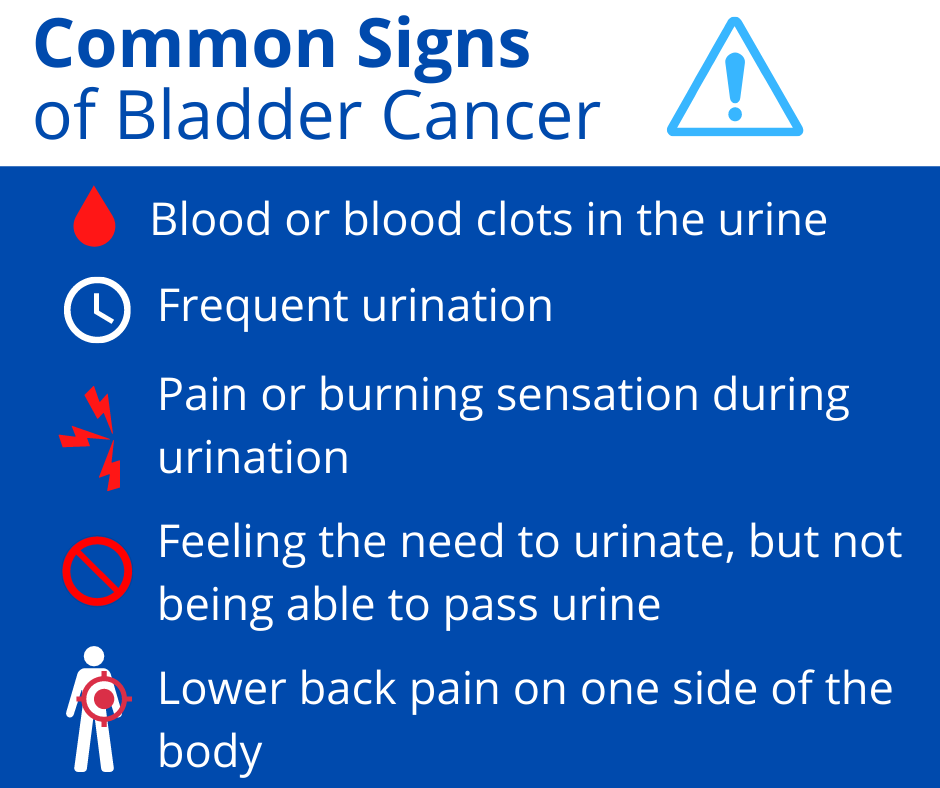
Blood in the urine (hematuria)
Frequent urination
Painful urination
Back or pelvic pain

Prevention and Early Detection

While some risk factors like age and genetics cannot be controlled, others can be mitigated. To reduce the risk of bladder cancer:

Quit Smoking: Eliminating tobacco use can significantly lower your risk.
Limit Chemical Exposure: If you work with industrial chemicals, follow safety guidelines to minimize exposure.
Stay Hydrated: Drinking plenty of water helps dilute harmful substances in the bladder.
Regular Check-Ups: Routine medical exams can help detect early signs of bladder cancer.

By committing to increasing our knowledge, supporting those affected, and advocating for continued advancements in cancer care. Together, we can make a difference in the fight against bladder cancer.

Alcohol and Cancer

Alcohol, often celebrated in various cultures, is also associated with increased risks of several cancers. As we observe Alcohol Awareness Month, it’s crucial to shed light on the seven types of cancer linked to alcohol consumption, emphasizing the importance of moderation and informed decision-making:

Breast Cancer: Even moderate alcohol intake has been consistently linked to a higher risk of breast cancer among women. Understanding this connection is essential for women of all ages and backgrounds.
Liver Cancer: Chronic alcohol abuse is a well-established risk factor for liver cancer. Over time, prolonged alcohol consumption can lead to liver cirrhosis, which significantly increases the likelihood of developing liver cancer.
Colorectal Cancer: Studies have shown a significant association between alcohol consumption and an increased risk of colorectal cancer. Heavy drinking amplifies this risk, underscoring the importance of moderating alcohol intake to mitigate potential health hazards.
Head and Neck Cancers: Alcohol consumption, particularly when combined with tobacco use, substantially raises the risk of cancers affecting the head and neck region, including the mouth, throat, and esophagus. This synergistic effect highlights the necessity of addressing both alcohol and tobacco consumption for overall health.
Esophageal Cancer: Alcohol consumption is a major risk factor for esophageal cancer, particularly squamous cell carcinoma. The repeated exposure of the esophageal lining to alcohol and its metabolites contributes to the development of cancerous lesions over time, emphasizing the importance of moderation and awareness of risks.
Stomach Cancer: Although the exact mechanisms are still under investigation, studies suggest a potential link between alcohol consumption and stomach cancer. Heavy alcohol intake may heighten the risk of developing this malignancy, adding to the array of health concerns associated with excessive drinking.
Pancreatic Cancer: Alcohol consumption has long been recognized as a risk factor for pancreatic cancer. The pancreas is highly sensitive to the carcinogens produced during alcohol metabolism, rendering individuals who consume alcohol regularly more susceptible to developing this aggressive form of cancer.

During Alcohol Awareness Month, it’s vital to recognize how alcohol consumption impacts cancer risk. By spotlighting these seven cancers associated with alcohol and advocating for moderation, we empower individuals to make informed choices, leading to healthier lives and communities.

The Importance of Kidney Health: Observing Kidney Health Awareness Month

Most people don’t know how important their kidneys are. The kidneys are vital organs that play a crucial role in maintaining overall health, yet they often go unnoticed until a problem arises. This month, let’s shine a spotlight on kidney health and empower individuals to take proactive steps towards caring for these essential organs.

Understanding Kidney Health: The kidneys are bean-shaped organs located on either side of the spine, just below the rib cage. They are responsible for filtering waste products, excess fluids, and toxins from the blood, which are then excreted through urine. Additionally, the kidneys help regulate blood pressure, produce red blood cells, and maintain electrolyte balance within the body. Given their many functions, maintaining optimal kidney health is crucial for overall wellbeing.

Common Kidney Conditions: Several factors can contribute to kidney dysfunction, including hypertension, diabetes, obesity, and certain genetic predispositions. Some common kidney conditions include:

1. Chronic Kidney Disease (CKD): CKD is a progressive condition characterized by the gradual loss of kidney function over time. It often develops silently and can lead to serious complications if left untreated.
2. Kidney Stones: These are hard deposits that form in the kidneys and can cause severe pain when they pass through the urinary tract. Dehydration, dietary factors, and certain medical conditions can increase the risk of kidney stone formation.
3. Urinary Tract Infections (UTIs): UTIs occur when bacteria enter the urinary tract and multiply, leading to inflammation and infection. While UTIs can affect any part of the urinary system, they commonly involve the kidneys (pyelonephritis) and require prompt treatment to prevent complications.

Our kidneys work tirelessly to keep us healthy. By adopting healthy habits and staying vigilant about our kidney health, we can reduce the risk of kidney disease and enjoy a higher quality of life.

Understanding Benign Prostatic Hyperplasia (BPH): Symptoms and Treatment Options

As men age, it’s not uncommon for the prostate to undergo changes that can impact urinary function. One such condition is Benign Prostatic Hyperplasia (BPH), a non-cancerous enlargement of the prostate gland. In this blog, we’ll explore the symptoms of BPH and various treatment options available to manage this common condition.

Symptoms of BPH

Frequent Urination: One of the hallmark symptoms of BPH is an increased frequency of urination, especially during the night. This occurs as the enlarged prostate puts pressure on the urethra, affecting the normal flow of urine.

Difficulty Initiating Urination: BPH can lead to a weak or hesitant urine stream. This is often the result of the prostate obstructing the urethra, making it more challenging for urine to pass through.

Incomplete Emptying of the Bladder: Men with BPH may experience a sensation that the bladder is not fully emptied after urination. This can contribute to the need for more frequent bathroom trips.

Urgency to Urinate: A sudden, compelling need to urinate, sometimes accompanied by a feeling of urgency, is another common symptom. This can disrupt daily activities and lead to anxiety about finding a restroom in time.

Straining During Urination: Due to the obstruction caused by an enlarged prostate, men with BPH may find themselves straining to push urine out, leading to increased effort during the urination process.

Treatment Options

While Benign Prostatic Hyperplasia can be a source of discomfort and inconvenience, numerous treatment options are available to manage its symptoms. Early detection and consultation with a healthcare professional are crucial for developing an individualized treatment plan that best suits the patient’s needs. Whether through lifestyle changes, medications, or surgical interventions, there are effective ways to address BPH and improve the quality of life for those affected by this common condition. See how we treat BPH at Urology of North Florida.

EXPERT CARE

Our caring team of experts are here to provide you with a custom-tailored treatment plan that is unique to your diagnosis, tumor size, location and involvement. Click on the button below to learn more.

Bring the Conversation to the Table: Understand Your Family Health History

As family travels from near and far to be together during the holiday season, it’s an opportune time for you to not only cherish the time with your loved ones, but also gain a deeper understanding of your family’s health history. Take the time to have important conversations about family health history. Discussing your family’s health background doesn’t have to overshadow the festive atmosphere, however, it can be a valuable way to understand potential health issues that may be hereditary, allowing you to proactively address them with your healthcare provider.

Understanding your family’s health history is crucial for everyone. It empowers you to develop a strategy for managing any potential health concerns. For instance, a family history of breast cancer can be associated with an increased risk of prostate cancer. Certain genetic mutations that elevate the risk of breast cancer also raise the likelihood of prostate cancer in men. Therefore, if you discover a family member has had breast cancer, it’s important to discuss your own cancer risk with your doctor.

This holiday season, take a moment to engage in discussions with your family about the significance of understanding your health history. The more you comprehend potential health impacts, the better equipped you and your doctor are to address them early on, allowing you to continue relishing those special holiday moments.