


Bladder cancer affects thousands of individuals each year, yet awareness and understanding remain limited. In this article we discuss bladder cancer, its risk factors, symptoms, and how to prevent it.
Understanding Bladder Cancer
Bladder cancer begins when cells in the bladder start to grow uncontrollably, forming a tumor. It is the sixth most common cancer in the United States, with the majority of cases occurring in men, although women can also be affected. The most common type of bladder cancer is urothelial carcinoma, but other types include squamous cell carcinoma and adenocarcinoma.
Risk Factors
Several factors can increase the risk of developing bladder cancer:
Smoking: Tobacco use is the most significant risk factor, contributing to approximately half of all bladder cancer cases.
Chemical Exposure: Certain industrial chemicals used in dye, rubber, leather, textile, and paint production can increase risk.
Chronic Bladder Inflammation: Long-term bladder inflammation, often caused by infections or prolonged use of catheters, can contribute to cancer development.
Age and Gender: The risk of bladder cancer increases with age and is more common in men than in women.
Family History: A family history of bladder cancer can also increase risk.
Symptoms to Watch For
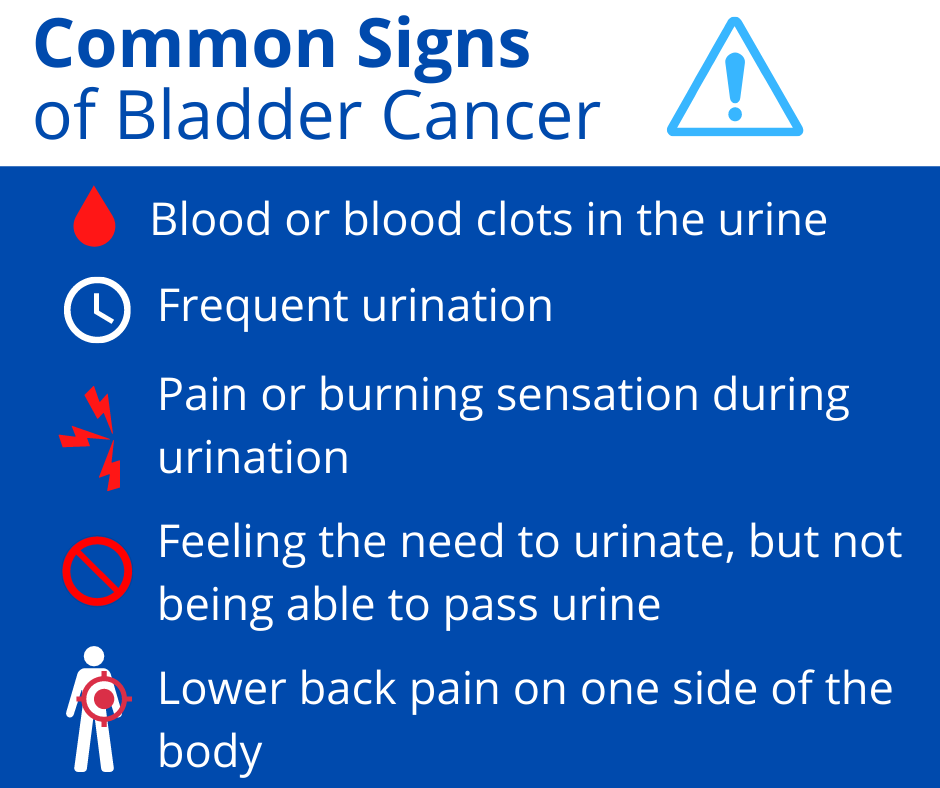
Early detection is key to successful treatment. Be aware of the following symptoms and consult a healthcare provider if you experience any:
Blood in the urine (hematuria)
Frequent urination
Painful urination
Back or pelvic pain
Prevention and Early Detection
While some risk factors like age and genetics cannot be controlled, others can be mitigated. To reduce the risk of bladder cancer:
Quit Smoking: Eliminating tobacco use can significantly lower your risk.
Limit Chemical Exposure: If you work with industrial chemicals, follow safety guidelines to minimize exposure.
Stay Hydrated: Drinking plenty of water helps dilute harmful substances in the bladder.
Regular Check-Ups: Routine medical exams can help detect early signs of bladder cancer.
By committing to increasing our knowledge, supporting those affected, and advocating for continued advancements in cancer care. Together, we can make a difference in the fight against bladder cancer.