


As men age, changes in the body are inevitable, and one of the most common is benign prostatic hyperplasia (BPH), or non-cancerous enlargement of the prostate. While it’s a normal part of aging, BPH can significantly impact quality of life if left unaddressed. The good news is that effective treatments are available, and early recognition of symptoms can make a big difference.
What Is BPH?
BPH stands for benign prostatic hyperplasia, which simply means an enlarged prostate that is not cancerous. The prostate is a small gland located below the bladder and around the urethra (the tube that carries urine out of the body).
As the prostate grows larger, it can press on the urethra, leading to difficulty with urination and other urinary symptoms.
BPH is extremely common:
- About 50% of men in their 50’s experience some degree of BPH
- Up to 90% of men over age 80 have symptoms
Signs and Symptoms of BPH
BPH doesn’t always cause symptoms right away. When it does, they typically involve changes in urinary habits. Be aware of the following signs:
Common Symptoms
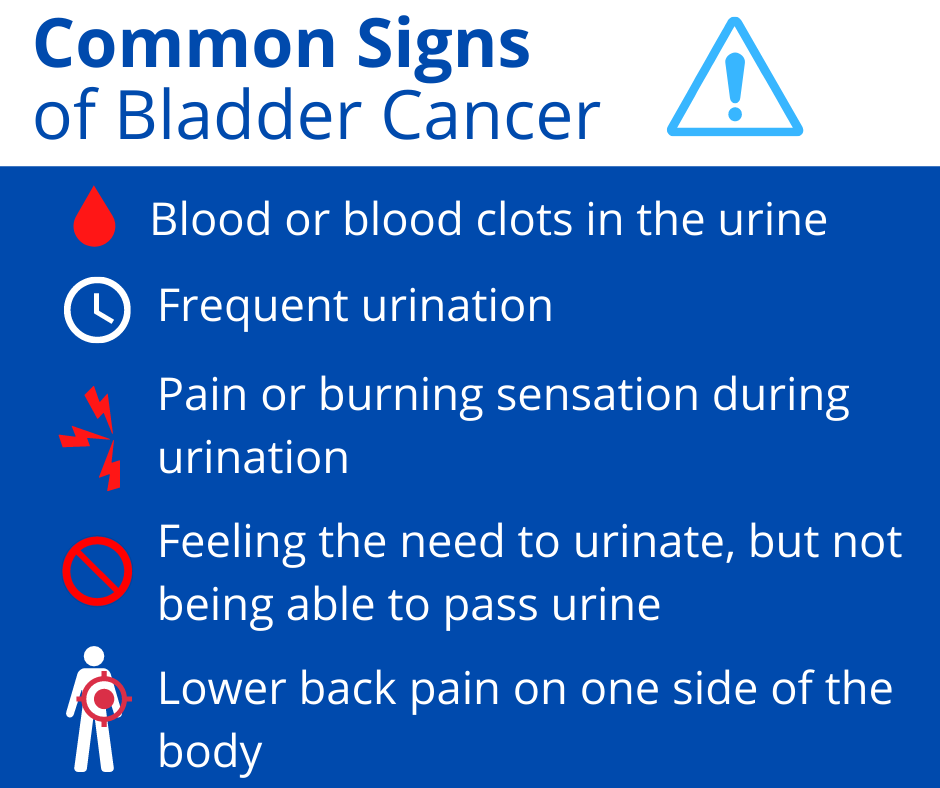
- Frequent urination, especially at night (nocturia)
- Urgent need to urinate
- Weak or slow urine stream
- Difficulty starting urination
- Stopping and starting during urination
- Dribbling at the end of urination
- Feeling like the bladder isn’t fully empty
More Concerning Symptoms
These may indicate advanced BPH or complications:
- Inability to urinate (urinary retention)
- Pain during urination
- Blood in the urine
- Recurrent urinary tract infections (UTIs)
If you experience these symptoms, it’s important to get evaluated. BPH symptoms can overlap with other conditions, including prostate cancer, so a proper diagnosis is essential.
When Should You See a Urologist?
You should consider scheduling an evaluation if:
- Urinary symptoms are interfering with daily life or sleep
- Symptoms are getting progressively worse
- You experience sudden inability to urinate (a medical emergency)
Treatment Options for BPH
The good news is that BPH is very treatable, and many patients find significant relief with the right approach. Treatment depends on the severity of symptoms and overall health. While our physicians will work with you to create a tailored treatment plan that’s right for you, the following are some of the most common treatment recommendations for BPH.
Lifestyle Changes (Mild Symptoms)
For early or mild BPH, simple adjustments can help:
- Limit fluids before bedtime
- Reduce caffeine and alcohol intake
- Practice timed voiding (scheduled bathroom visits)
- Maintain a healthy weight and active lifestyle
Medications
Medications are often the first line of treatment for moderate symptoms. Alpha blockers can relax the muscles of the prostate and bladder neck and improve urine flow quickly. Alpha reductase inhibitors can shrink the prostate over time and is best for larger prostates. Sometimes both medication types are used together for better results.
Surgical Treatment
For more severe cases, surgery may be necessary. There are several surgical options that aim to remove excess prostate tissue to improve urine flow.
Next Steps
BPH may be common, but it doesn’t have to control your life. With proper treatment, you can take control of your prostate health and improve your quality of life.
Our team specializes in diagnosing and treating BPH with personalized care and the latest treatment options. If you’re noticing changes in your urinary habits, don’t ignore them. Early evaluation can prevent complications and help you find relief sooner.